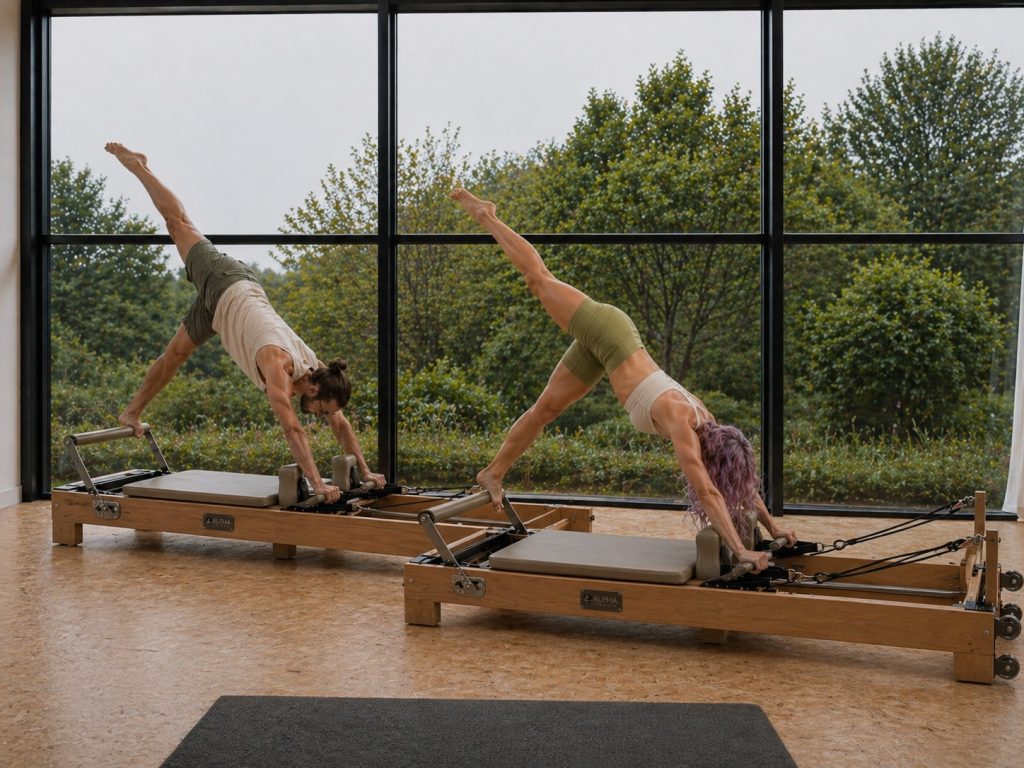
There are faster ways to get fit. There are louder studios, more dramatic transformations promised in four weeks, and classes that leave you destroyed on the floor as proof of effort. The reformer doesn’t do any of that. It asks something different of you — something more precise, more patient, and ultimately more lasting.
People come to the reformer for different reasons. Some arrive via recommendation. Some via injury. Some via a vague sense that their body deserves something better than punishment. Whatever the entry point, what tends to happen is this: they leave the first session quietly surprised by how difficult it was. They come back the following week. And then they don’t stop.
“The reformer teaches you to listen to your body rather than override it. That’s a skill most of us have spent years unlearning.”
Precision over volume
The reformer is built on a principle that runs counter to most modern fitness culture: that quality of movement matters more than quantity. One perfectly executed repetition is worth more than twenty sloppy ones. The spring resistance gives you feedback that a mat or a dumbbell can’t — it tells you exactly where you’re compensating, where you’re collapsing, where your body has been quietly cheating itself.
Over time, this precision rewires things. The micro-adjustments you make on the reformer begin to appear in how you walk, sit, carry yourself. The work becomes structural in a way that is hard to articulate but impossible to ignore once you’ve felt it.

Why it works differently on retreat
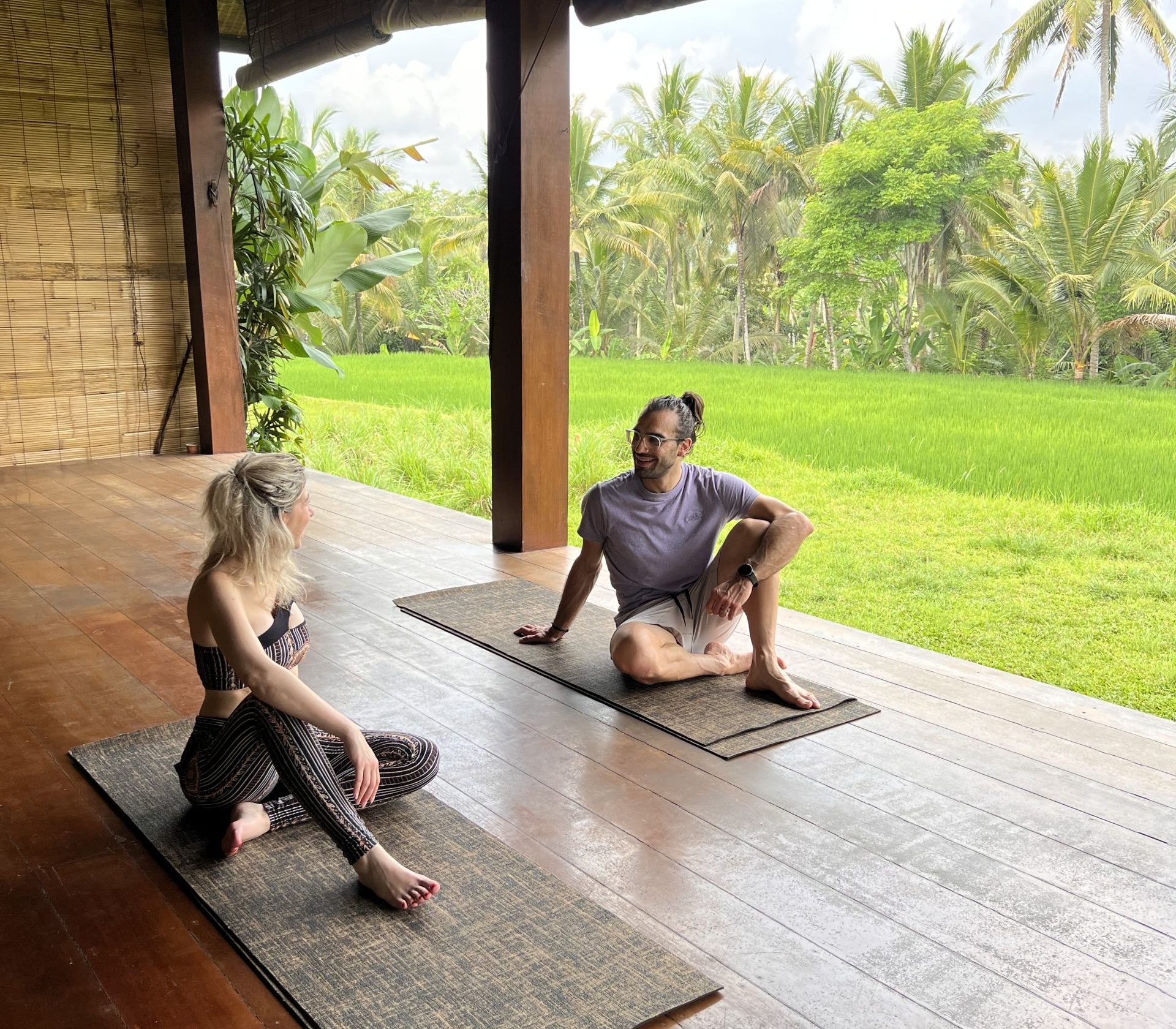
There is a difference between practising on the reformer at your local studio between meetings and doing so on a terrace in the Algarve, with sea air in your lungs and nowhere to be for three hours afterwards. The environment changes the experience completely.
When we bring the reformer to a retreat setting, we’re not simply moving the equipment. We’re removing the friction that prevents real progress — the distracted mind, the compressed schedule, the background noise of a busy life. What’s left is the work itself, given room to actually land.
Guests often tell us the same thing at the end of a retreat week: that they knew the reformer was good for them, but they didn’t realise how good until they had the space to truly feel it. That’s what we’re building at ANASA Elements — not just a workout, but the conditions for something more permanent to take root.
The reformer keeps calling people back because it’s honest. It shows you exactly where you are, and then it helps you move forward from there. That’s rare. And it’s worth returning to.